
A pioneer in mycology and science
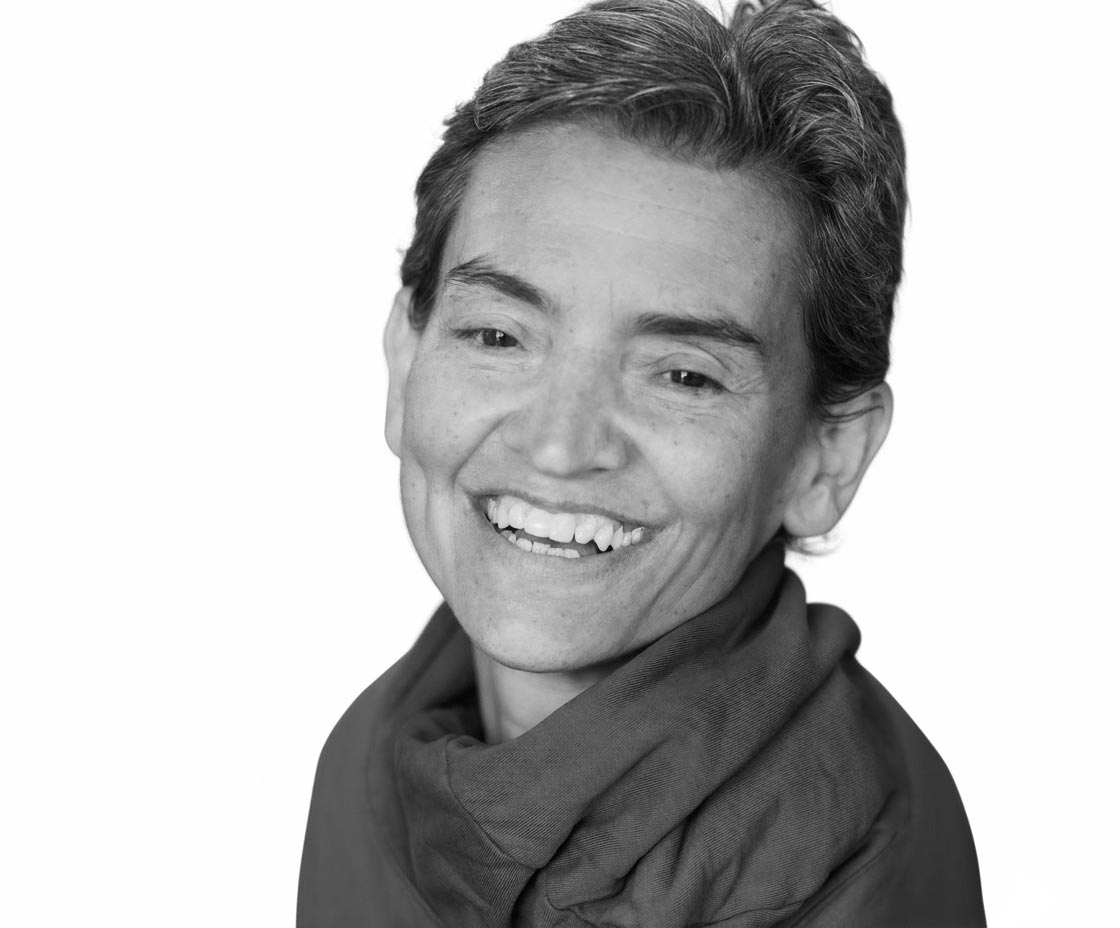
“Microorganisms are the invisible architects of our ecosystems. Their potential for climate regulation, a circular economy, and a sustainable future will only become apparent once we understand the molecular mechanisms underlying their interactions and embed this knowledge in both the scientific community and society at large.”
This conviction shapes the work of Judith Ascher-Jenull—an environmental microbiologist and ecologist who is now regarded as one of the leading experts in applied molecular environmental microbiology and soil DNA research. With over 100 publications, her tenure as former Editor-in-Chief of Applied Soil Ecology (2014–2023), and pioneering projects such as CYANce, MUSE, and BioBaseLab, she has elevated the topics of microbiota research in the context of climate change and the circular economy to a level that is both scientifically sound and socially relevant.
From an early age, she developed a passion for understanding how microorganisms function in soils and dead wood and what role they play in global carbon dynamics. Her more than 20 years of research experience in Florence and Innsbruck, where she specialized in applied molecular environmental microbiology and ecology, built upon this vision. Her research focuses on the analysis of environmental DNA in soils and dead wood, distinguishing between intracellular and extracellular DNA fractions to gain deeper insights into microbiota in the context of climate change and global carbon dynamics. This differentiated molecular approach enables her to precisely capture the complex interactions of microbial communities.
In her professional work, she focuses on the intersection of basic research and practical applications in the circular economy, energy, and sustainable design. Her projects, such as CYANce, MUSE, and BioBaseLab, operate at the intersection of microbial ecology and social innovation. She collaborates with scientists, artists, and the public to communicate knowledge about microorganisms as the foundation of life. In doing so, she places great emphasis on outreach activities and art-science collaborations that bring the fascinating world of microbes to light.
A central focus of her work is the study of microbial communities and their role in climate regulation and sustainable systems. She specializes in molecular environmental analysis, DNA sequencing, and translating scientific findings into practical applications for the circular economy and resource management.
Her current research focuses on integrating basic research with applied projects that develop sustainable solutions to global challenges. As the former Editor-in-Chief of *Applied Soil Ecology* (2014–2023), she shaped the international research landscape and set standards for scientific quality in soil ecology. Her more than 100 publications document her leading role in molecular environmental microbiology and demonstrate her ability to decipher complex microbial systems and highlight their relevance to climate change and ecosystem functions.
Her work builds unique bridges between science, art, and society. Through art-science collaborations and outreach activities, she brings the invisible world of microbes to light and conveys the message that these organisms form the foundation of the life that surrounds and permeates us. As a jury member of the Innsbruck Nature Film Festival, she contributes to the communication of scientific content through visual media and fosters dialogue between the research community and the public.
She excels at combining rigorous molecular research with practical applications and public outreach, and advocates for an integrative understanding of microbiology—as the interplay of basic research, innovation, and public engagement. Her work makes it clear that, for her, microorganisms are not merely objects of research, but key players in shaping a sustainable future and fostering a deeper understanding of the life processes that govern our ecosystems. At the Mycoverse Foundation, she contributes her expertise in molecular environmental microbiology, soil DNA research, circular economy, and scientific communication, helping to deepen our understanding of microbial communities—including fungi—in soils and unlock their potential for climate regulation and sustainable systems.
Her expertise in distinguishing between different DNA fractions and her understanding of global carbon dynamics are particularly relevant to research on the role of fungi in ecosystems and their contribution to climate protection and biodiversity. In this way, she makes a significant contribution to scientifically rigorous, application-oriented, and socially engaged research that views microorganisms as the invisible architects of a sustainable future.
· Microbiology Team, University of Innsbruck
Mycoverse Foundation
, Marktgass 11,
, 9490 Vaduz,
, Principality of Liechtenstein
Home | Vision | Projekte | Artikel | Vorstand/Beirat | Shop | Kontakt | Impressum/Datenschutz | Manage Cookie Settings