
Pioneer in the field of states of consciousness, neurologist, licensed psychologist, and founder of neuropsycholysis
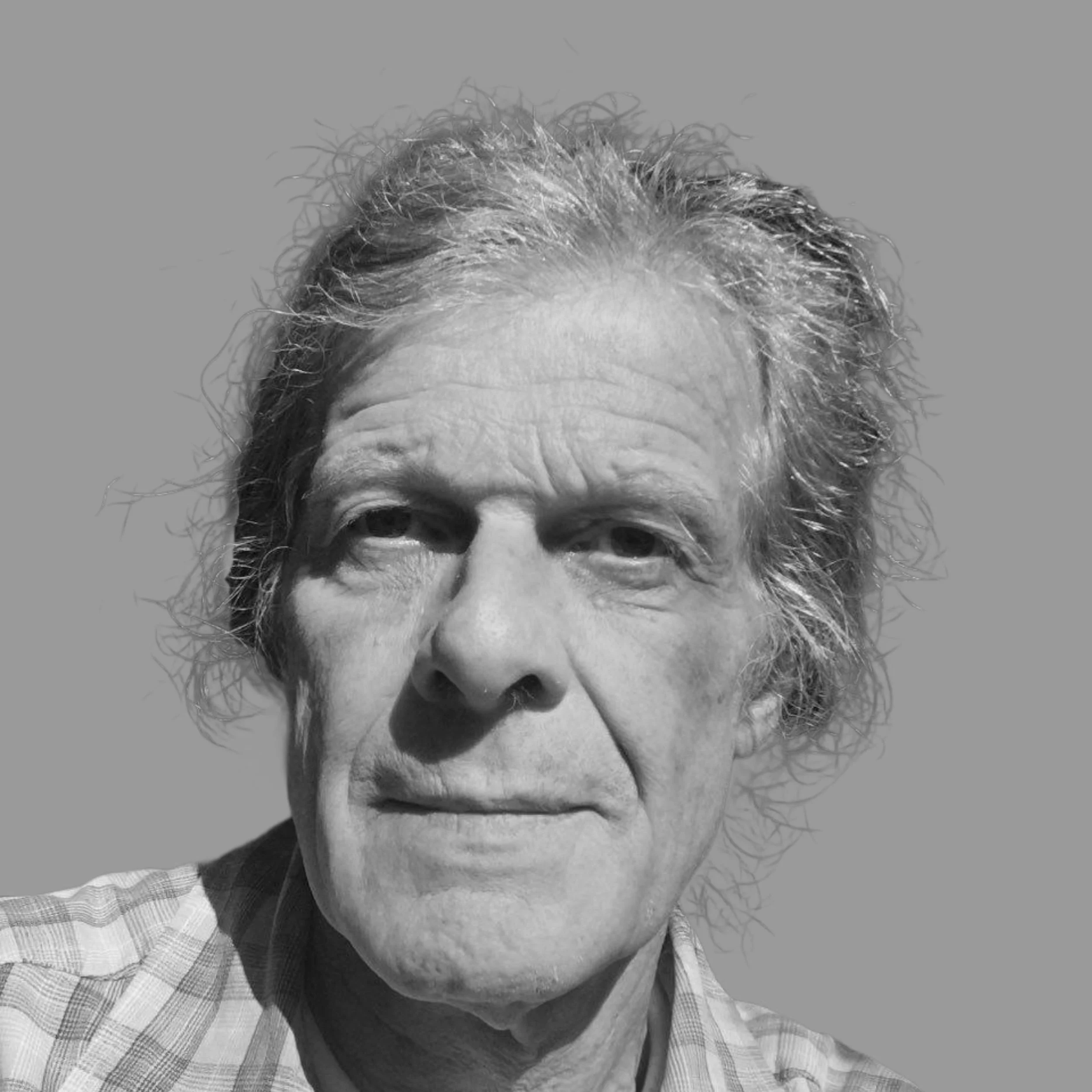
“The boundaries between mind and brain, between psyche and body, are artificial constructs. True understanding arises when we overcome these divisions and view the human being as a unity of body, mind, and consciousness—and when we have the courage to explore new paths to healing.”
This conviction runs through the extraordinary life’s work of Dr. Dirk Proeckl, M.D., M.A. in Psychology—a physician and psychologist whose interdisciplinary approach and courage to innovate have made him a pioneer in the study of altered states of consciousness and their therapeutic potential.
Born in Germany in 1956, Dirk Proeckl chose an academic path that was unconventional from the very beginning. From 1977 to 1990, he studied psychology and medicine concurrently at several renowned universities—Munich (TU and LMU), Regensburg, Freiburg, and Saarland. This deliberate choice to pursue both disciplines was not a sign of indecision, but rather the early manifestation of a vision: to understand the human being holistically, where psyche and soma are inextricably intertwined.
From an early age, he developed a passion for understanding how the body and mind communicate with each other at a fundamental level. His academic career was built on this vision, which focused on the intersection between physical symptoms and psychological processes.
His master’s thesis in psychology—a follow-up study of the therapeutic effects of psychosomatic therapy for migraine—already demonstrated his interest in this interdisciplinary field. His medical dissertation, an immunohistochemical study of the distribution of neuropeptides in the human brainstem, led him deep into neurobiology and the molecular foundations of brain function. These two works, as different as they may seem, are linked by a common thread: the quest to understand how the body and mind communicate.
From 1990 to 1994, Dr. Proeckl worked as a research assistant in research groups at Ludwig Maximilian University of Munich (Großhadern) and the University of Basel. His research topics were highly specialized and innovative: dipole source localization in the brain using EEG, visually and olfactorily evoked potentials, and readiness potentials. These years in basic research were formative: here he learned to measure and interpret the brain’s electrical activity using state-of-the-art methods. He understood how sensory stimuli are processed in the brain and how conscious processes are reflected in measurable brain activity.
In his professional practice, he focuses on providing neurological care in the most challenging settings. From 1995 to 2005, Dr. Proeckl specialized in clinical neurology and worked in acute care, the emergency room, the neurological intensive care unit, and rehabilitation. There, he encountered people daily in extreme situations—after strokes, with severe neurological disorders, and at moments when the brain and, with it, the entire personality were under threat.
This clinical experience grounded his scientific expertise in the reality of human suffering. He saw not just EEG tracings and brain scans, but people struggling to maintain their identity, their mobility, and their quality of life.
Since 2005, Dr. Proeckl has been running his own private practice as a clinical neurologist—a setting that gives him the freedom to pursue innovative approaches and develop treatment methods that go beyond standard neurology.
A central focus of his work is the study of altered states of consciousness and their therapeutic potential. Around 2007, perhaps the most fascinating chapter in Dr. Proeckl’s career began. Together with psychotherapist Dr. Engelbert Winkler, he began developing a lamp designed to facilitate access to altered states of consciousness. What may initially sound like an unusual project was, in reality, the logical consequence of all his previous experiences and interests.
The Lucia N°03 lamp—named after Saint Lucia, the patron saint of the blind and of light—is a striking example of how scientific expertise, psychological insight, and innovative thinking can come together. The lamp uses complex light sequences to stimulate specific regions of the brain through closed eyelids, thereby inducing altered states of consciousness.
This project brought together all aspects of Dr. Proeckl’s expertise: his knowledge of perceptual psychology, his experience with biological psychology and bio/neurofeedback, his deep understanding of the relationship between mind and brain, and his basic research on visually evoked potentials.
His work currently focuses on the concept of “neuropsycholysis”—a term that describes the connection between neurobiological processes and psychological liberation. Feedback from users has been remarkable: people with post-traumatic stress disorder (PTSD), depression, migraines, and even dementia have shown positive responses. What began as an experimental approach has evolved into a promising therapeutic method. Neuropsycholysis is based on the insight that altered states of consciousness—induced safely and in a controlled manner—can have therapeutic potential.
He knows how to combine scientific rigor with an innovative spirit and advocates for an integrative understanding of neurology—as the interplay of the brain, the mind, and consciousness. His work makes it clear that, for him, neurological health is not merely about treating symptoms, but about unlocking new levels of consciousness and healing potential.
Dr. Proeckl’s work requires courage—the courage to venture into areas that are often viewed with skepticism in conventional medicine. Consciousness research, altered states of consciousness, the therapeutic use of light—these are all topics that can quickly be dismissed as “esoteric.” But Dr. Proeckl brings the scientific rigor needed to move these topics out of the realm of esotericism and place them on a solid empirical foundation. His decades of experience in neurology and neurophysiology, his research expertise, and his clinical understanding lend credibility to his innovative approaches.
What sets Dr. Proeckl apart is his ability to be innovative without compromising scientific rigor. He ventures into new territory, but he does so using the tools of science: measurements, systematic observation, and critical analysis. This balance between innovation and evidence is exactly what mycotherapy needs to continue evolving: the courage to break new ground, and at the same time, the discipline to scientifically document and validate these approaches.
At the Mycoverse Foundation, Dr. Dirk Proeckl contributes his expertise in neurology, psychology, consciousness research, and the intersection of mind and body. His interdisciplinary perspective helps the Foundation understand the neuropsychological dimensions of medicinal mushrooms—an area that is often overlooked in mycotherapy but is of enormous therapeutic significance.
Dr. Proeckl’s early work on the psychosomatic treatment of migraines points to an understanding that is more relevant today than ever: the connection between the mind, the nervous system, and bodily functions. Modern research is increasingly revealing just how important the gut-brain axis is for mental health. And this is where mushrooms come into play: Many medicinal mushrooms have prebiotic properties, influence the gut microbiome, and can thereby also support mental health. Dr. Proeckl’s interdisciplinary perspective—as a physician, psychologist, and neuroscientist—enables him to unravel these complex connections.
His dissertation on neuropeptides in the brainstem is particularly relevant to understanding how bioactive compounds from mushrooms can influence the nervous system. Many mushrooms contain compounds that modulate neurotransmitter systems, possess neuroprotective properties, or promote neurogenesis. Dr. Proeckl’s expertise in this area helps the Foundation understand how medicinal mushrooms interact with the nervous system at the molecular level and what therapeutic possibilities this opens up.
His work reminds us that mushrooms can not only heal the body but also influence the mind and consciousness—and that we must understand these dimensions in order to unlock the full potential of mycotherapy.
Dr. Dirk Proeckl’s life’s work shows us that true innovation often arises where different disciplines intersect and where someone has the courage to stray from the beaten path. His integration of medicine and psychology, neurophysiology and consciousness research, clinical practice and technological innovation has led to breakthroughs that would not have been possible within individual disciplines. His work makes a significant contribution to a future that is neuropsychologically grounded, consciousness-expanding, and interconnected like a mycelium.
Mycoverse Foundation
, Marktgass 11,
, 9490 Vaduz,
, Principality of Liechtenstein
Home | Vision | Projekte | Artikel | Vorstand/Beirat | Shop | Kontakt | Impressum/Datenschutz | Manage Cookie Settings