MYCOVERSE Logo

Amanita muscaria – The Fly Agaric: Insights for Businesses and Consumers

Amanita muscaria, the iconic red-and-white fly agaric, is increasingly becoming the focus of scientific research—not merely as part of our folkloric heritage, but as a subject of study in pharmacology, toxicology, ethnobotany, and innovative applications. This comprehensive overview combines sound science with practical implications for businesses and consumers.
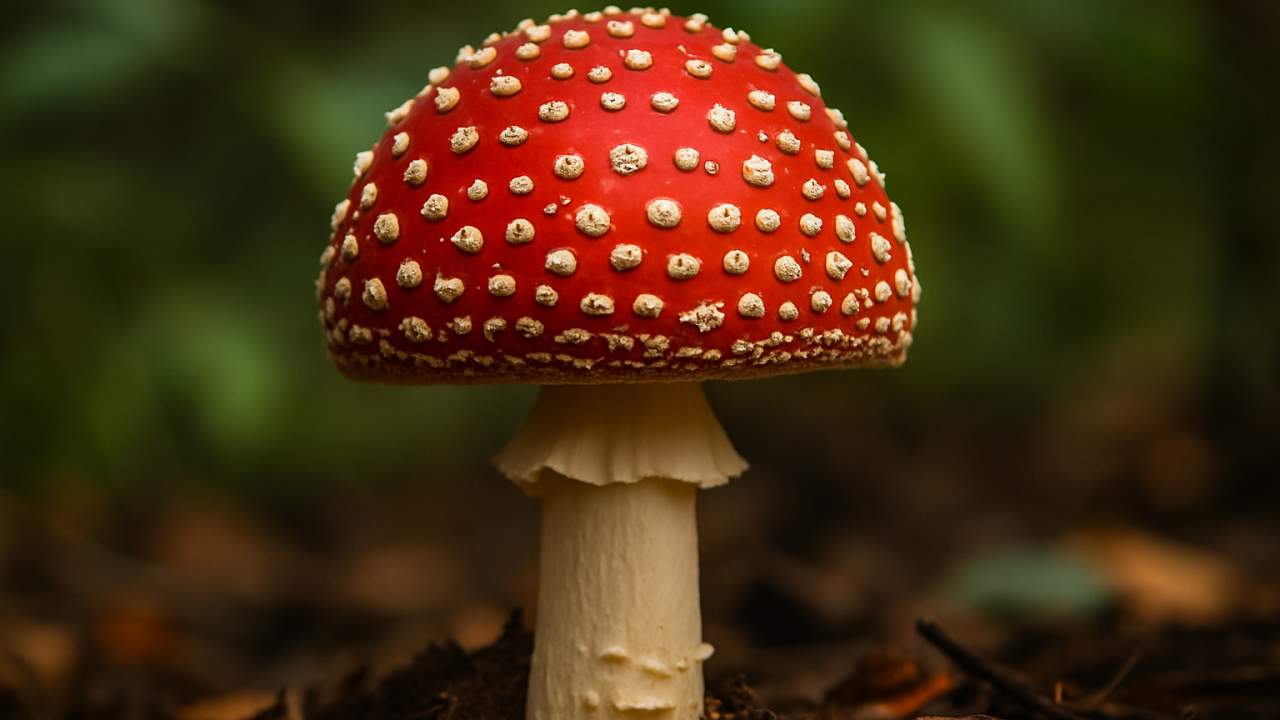
1. 🍄 What is Amanita muscaria—and why is it important?

Known for its striking appearance, Amanita muscaria contains psychoactive substances— muscimol and ibotenic acid —that affect the central nervous system via GABA_A and NMDA receptors, respectively. Unlike psilocybin mushrooms, it is not subject to most international drug regulations—yet its effects and safety require critical evaluation.


2. 🧪 Pharmacology & Toxicology – What the Data Show

  • Muscimol acts as a potent GABA_A receptor agonist: it has sedative, hallucinogenic, and disorienting effects.
  • Ibutamic acid acts on glutamatergic NMDA receptors, producing excitatory symptoms such as restlessness and euphoria.
  • An analysis of data from poison control centers (2002–2016) shows that symptoms appear within 6 hours and usually disappear within 24 hours; there were no deaths and no cases of organ failure.
  • Despite its reputation as a poisonous mushroom, fatal poisonings are extremely rare —usually resulting from misidentification or an extremely high dose.

3. 🌍 Public Health & Regulatory Risks

  • The U.S. FDA has banned muscimol, ibotenic acid, and muscarine in food products—such as gummy bears or chocolate —following several hospitalizations and deaths, most of which were caused by products with inadequate labeling (e.g., Diamond Shruumz).
  • The lack of standardization and transparency in ingredient testing poses a serious health risk.

4. 🧠 Ethnomycology & Therapeutic Potential

  • Historically, A. muscaria played a role in Siberian shamanic rituals.
  • Extracts containing trehalose exhibit anti-inflammatory effects in cell models (e.g., on HMC3-type microglia cells).
  • A self-report study (n=5,600) shows that it is used primarily to relieve stress, improve sleep, reduce symptoms of depression, and treat skin problems.
  • Men usually consume the mushroom in its dried form, while women prefer tinctures.

5. ⚖️ Commercial & Regulatory Implications

Category

Insight

Legal risk

The FDA bans these ingredients in food—there is a lack of clear regulation.

Security concerns

Significant variations in dosage and active ingredient content; in animal models, it is comparable in toxicity to fentanyl or PCP.

Market trend

Edibles (especially gummy bears and chocolate) containing A. muscaria are booming—though they are usually mislabeled.

Innovation potential

Research into neuropsychiatric and anti-inflammatory applications is growing—but clinical trials are lacking.


6. 🎯 Strategic Recommendations

🔹 For B2C brands & healthcare professionals:

  • A. muscaria is not indicated for oral use.
  • Prioritize transparency and independent laboratory analyses.
  • Educate customers about pharmacology, toxicity, and legal status.

🔹 For B2B players in the healthcare and biotechnology sectors:

  • Promote research on muscimol analogs for the treatment of inflammation or neurological disorders.
  • Development of controlled cultivation methods and bioreactors.

🔹 For policymakers & regulators:

  • Establish clear standards and safe limits.
  • Develop guidelines for entheogenic products—especially in cases of misleading labeling.

7. 🔭 Conclusion: Opportunities & Responsibility

Amanita muscaria deserves a nuanced assessment—grounded in cultural knowledge and scientific evidence. Its active compounds offer promising prospects for the treatment of inflammation and neuropsychiatric disorders, but require the utmost caution due to their complex mechanisms of action.

The rise in unregulated products highlights the urgent need for transparency, education, and evidence-based regulation.

Dr. Lucas Pawlik

Contents

Share this post:
Sign up for our newsletter. No spam, no sharing of your information—just the latest news and interesting facts from the world of mushrooms. You can unsubscribe at any time.

Mycoverse Foundation
, Marktgass 11,
, 9490 Vaduz,
, Principality of Liechtenstein

info@mycoverse-foundation.org

MYCOVERSE Logo