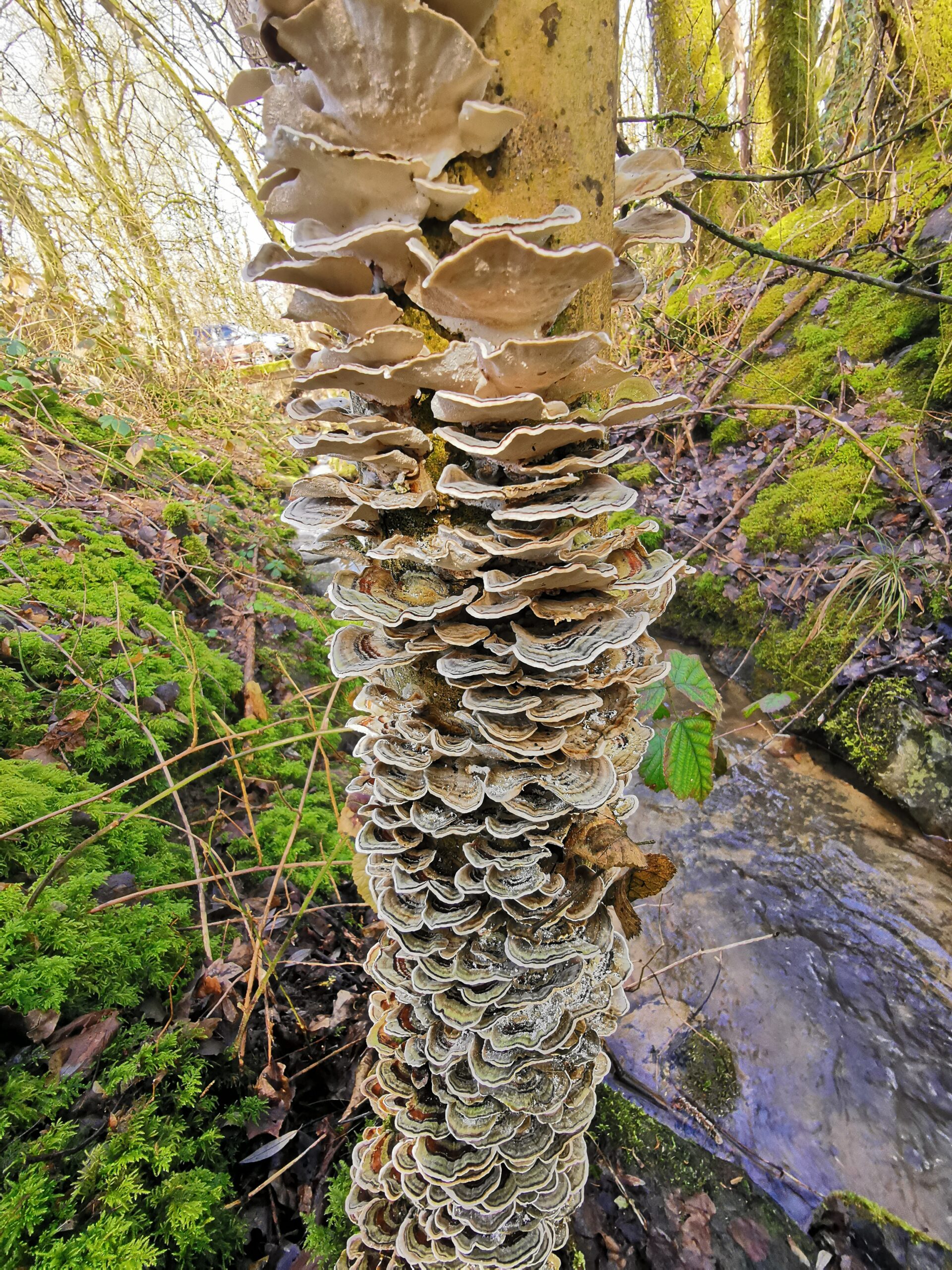
Bioactive ingredients
BRM β-Glucan with 38% protein
Antitumor – Directly acts on tumor cells, prevents metastasis by modulating enzymes associated with chemotherapy and radiation therapy
Vascular health – Improves blood vessel function, normalizes the spleen index
Antibiotic enhancer – Improves the effectiveness of antibiotics and increases susceptibility to resistant bacteria
Antiviral – Modifies the HIV receptor or prevents the virus from binding to lymphocytes
PSP – The Polysaccharide-Peptide Complex
BRM Polysaccharide-Peptide – 10% peptide and 90% polysaccharides
Antitumor – Effective against stomach, lung, ovarian, cervical, and esophageal cancer
Polyphenols and Flavonoids – The Antioxidants
Antioxidant – Strong antioxidant effect
Anti-inflammatory – Anti-inflammatory properties
Anti-aging – anti-aging effects
Coriolan – The Polysaccharide
In vitro antitumor activity – Anticancer properties
Nutritional Profile – The Essential Nutrients Package
Macronutrients:
- Humidity: 87.2%
- Protein: 11%
- Fat: 1.35–1.7%
- Complex carbohydrates: 76%
Other nutrients:
- Ergosterol derivatives
- Provitamin D2
- B-vitamin complex
- Various minerals
- Fatty acids
Therapeutic Applications
Immunostimulatory effect – The immune booster
Chronic Fatigue Syndrome (CFS) – Elevated levels of NK cells in CFS patients
Healthy subjects – Increased levels of T-helper cells, IL-2R, and INF-γ following PSP administration
Immune System Activation – Activates and strengthens the immune system in CFS patients
Complementary Cancer Treatment – The Cancer Specialist
Official Approval – Officially approved in Japan as a complementary cancer therapy
Improving quality of life:
- Hepatocellular carcinoma – Improved quality of life for patients
- Lung cancer patients – Relieves cancer-related symptoms such as pain, increases body weight, and improves well-being and performance status
Boosting the immune response:
- Reduction of Bone Marrow Suppression – PSK enhances the immune response and reduces bone marrow suppression in various types of cancer
- Increase in Immune Cells – Increases the number of immune cells (CD3, CD4) in patients with breast and nasopharyngeal carcinoma following treatment
- Greater treatment efficacy – In patients with non-small cell lung cancer (NSCLC)
Reduction of side effects:
- Chemotherapy and radiation therapy – PSK and PSP reduce side effects such as fatigue, loss of appetite, vomiting, dry throat, spontaneous sweating, and pain
Extension of survival:
- 5-Year Survival Rates – PSK Increases Survival Rates for Stomach, Esophageal, Nasopharyngeal, NSCLC, Lung, Breast, and Colorectal Cancers
- 20% improvement – 5-year survival rate, 17% improvement in the 10-year survival rate
- PSP Outcomes – Improved 5-Year Survival Rates for Esophageal, Stomach, and Colorectal Cancer Following Surgery
Reduction of recurrence and inhibition of tumor growth:
- Reduction in recurrence rates – Among stomach cancer patients taking PSK
- Inhibition of tumor growth – Reduces tumor growth, metastasis, and depth of invasion in colorectal cancer patients
- Cervical Cancer – 72% Reduction in Low-Grade Squamous Intraepithelial Lesions with Vaginal Gel Application
In vitro and animal studies:
Anticancer effects in:
- Breast cancer
- Colon cancer
- Stomach cancer
- Cervical cancer
- Lung cancer
- Prostate cancer
- Hepatocellular carcinoma
- Fibrosarcoma
- Leukemia
- Melanoma
Infectious Diseases – The Universal Fighter
Viral Infections – The Virus Eliminator
HIV – In vitro inhibition of HIV reverse transcriptase, lymphocyte binding, and cell-to-cell infection; clinical improvement in immune status and HIV-associated Kaposi’s sarcoma
Chronic Hepatitis B – Clinical Efficacy in Reducing Serum ALT Levels, Correcting Immune Deficiencies, and Long-Term Safety
Influenza – Effective against the virus in vitro
Family Herpesviridae:
- Herpes simplex virus (HSV) – In vitro efficacy and relief of genital wart symptoms
- Varicella-zoster virus (VZV) – In vitro efficacy
- Epstein-Barr virus (EBV) – In vitro efficacy
Human papillomavirus (HPV) – Reduction of cervical intraepithelial neoplasia/low-grade squamous intraepithelial lesions (CIN/LSIL); up to 90% clearance of oral HPV infections when combined with G. lucidum
Bacterial and Fungal Infections – The Germ Fighter
Antibacterial activity – Effective in vitro and in vivo
Antifungal activity – Effective in vitro and in vivo against:
- Candida albicans
- Aspergillus fumigatus
Autoimmune Diseases – The Autoimmune Regulator
Various autoimmune diseases – improvement in:
- Hypothyroidism
- Systemic lupus erythematosus
- Chronic rheumatoid arthritis
- Behçet's disease
Gut Health – The Gut Care Specialist
Prebiotic effect – Improves the regulation of the human gut microbiome in healthy subjects, both in vivo and in vitro
Neurological Disorders – The Brain Protector
Anti-inflammatory effects – Especially in neurodegenerative diseases involving neuroinflammation
Neuroprotective effects:
- Reduced neuronal apoptosis in cerebral ischemic reperfusion injury (CIRI)
- Reduced inflammation in damaged brain regions
- Slowing the progression of Parkinson's disease
- Significant reduction in oxidative stress and neuroinflammation in Alzheimer's disease
Liver Health – The Liver Protector
Hepatoprotective – liver-protective effect in vivo
Metabolic Syndrome – The Metabolic Regulator
Diabetes and Metabolism – Laboratory and animal studies show potential for improving:
- Insulin sensitivity
- Serum lipid profiles
- Body weight
- Liver Index
- Diabetic cardiomyopathy
Pain Management – The Pain Reliever
Analgesic effect – Relieves pain in animal models by:
- Presence of oleanolic acid
- Upregulation of cannabinoid 2 receptors
- Reduction in morphine tolerance
Traditional uses
Traditional Chinese Medicine (TCM):
Properties: Sweet and slightly warming; enters the spleen and heart meridians
General health promotion:
- Promoting overall health, strength, and longevity
- Boosting the Immune System
- Increased energy and endurance
Specific traditional indications:
Cancer Treatment – Traditional Oncological Applications
Treatment of infections:
- Infections and inflammation of the upper respiratory tract
- Urinary tract infections
- Gastrointestinal infections
Liver diseases:
- Hepatitis B Treatment
- Chronic active hepatitis
Safety considerations
General tolerability – Studies on PSK report few side effects; butterfly tramete is generally considered safe for consumption.
Few reported side effects – Butterfly tramete is considered safe for consumption
Digestive reactions
Gastrointestinal symptoms —such as an upset stomach, nausea, bloating, and heartburn—may occur.
Other gastrointestinal effects —such as diarrhea, bloating, and vomiting—may occur.
Exceptions
Discoloration – Darkening of the fingernails and stool has been reported.
Hematologic and gastrointestinal toxicity – Rare, mild hematologic and gastrointestinal toxicities when used in combination with other treatments
References
- Rogers, RD. The Fungal Pharmacy: The Complete Guide to Medicinal Mushrooms and Lichens of North America. Berkeley, Calif.: North Atlantic Books; 2011. 591 p.
- Martin Powell. Medicinal Mushrooms. [Internet]. Place of publication not identified: Mycology Press; [cited December 27, 2021]. Available at: https://www.hoopladigital.com/title/11571096
- Guthmann, J. Healing Mushrooms: The World’s Most Important Species: Description – Components – Effects. 2nd, updated and expanded edition. Wiebelsheim: Quelle & Meyer Verlag; 2021. 446 pp.
- Rebensburg, P., & Kappl, A. Healthy with Medicinal Mushrooms: Strengthening the Immune System, Healing Illnesses, and Relieving Ailments. Munich: riva; 2020. 271 pp.
- Stajić M, Vukojević J, Ćilerdžić J. Mushrooms as Potential Natural Cytostatics. In: Agrawal DC, Dhanasekaran M, eds. Medicinal Mushrooms [Internet]. Singapore: Springer Singapore; 2019 [cited December 27, 2021]. pp. 143–68. Available from: http://link.springer.com/10.1007/978-981-13-6382-5_4
- Bianchi I, Marrocchesi R. Healing with Medicinal Mushrooms: Therapeutic Properties and Instructions for Use of the 12 Most Important Medicinal Mushrooms. Treviso: Editoriale Programma; 2015.
- Richard Bray. Medicinal Mushrooms: A Practical Guide to Healing Mushrooms (Urban Homesteading). Self-published; 2020. 229 pp.
- Badalyan SM, Barkhudaryan A, Rapior S. Recent advances in research on the pharmacological potential of mushrooms and prospects for their clinical application. In: Agrawal DC, Dhanasekaran M, eds. Medicinal Mushrooms [Internet]. Singapore: Springer Singapore; 2019 [cited 2021 Dec 27]. pp. 1–70. Available at: http://link.springer.com/10.1007/978-981-13-6382-5_1
- Kıvrak I, Kivrak S, Karababa E. Evaluation of bioactive compounds and the antioxidant activity of the medicinal mushroom Trametes versicolor (Agaricomycetes). Int J Med Mushrooms. 2020;22(6):559–71.
- Saleh MH, Rashedi I, Keating A. Immunomodulatory properties of Coriolus versicolor: The role of polysaccharopeptides. Front Immunol. 2017;8:1087.
- Kidd PM. The use of fungal glucans and proteoglycans in cancer treatment. Altern Med Rev. February 2000; 5(1):4–27.
- Eliza WLY, Fai CK, Chung LP. Efficacy of Yun Zhi (Coriolus versicolor) on the survival of cancer patients: a systematic review and meta-analysis. Recent Pat Inflamm Allergy Drug Discov. January 2012;6(1):78–87.
- Chay WY, Tham CK, Toh HC, Lim HY, Tan CK, Lim C, et al. Coriolus versicolor (Yunzhi) as a treatment for patients with advanced hepatocellular carcinoma who have poor liver function or are unsuitable for standard therapy. J Altern Complement Med. August 2017; 23(8):648–52.
- Li X, Chen P, Zhang P, Chang Y, Cui M, Duan J. Protein-bound β-glucan from Coriolus versicolor shows potential for use in treating obesity. Mol Nutr Food Res. April 2019; 63(7):1801231.
- Winder M, Bulska-Będkowska W, Chudek J. The use of extracts from Hericium erinaceus and Trametes versicolor in supportive cancer care. Acta pharmaceutica (Zagreb, Croatia). March 2021; 71:1–16.
- Wong JH, Ng TB, Chan HHL, Liu Q, Man GCW, Zhang CZ, et al. Fungal extracts and compounds with inhibitory effects on breast cancer: findings from studies using cultured cancer cells, tumor-bearing animals, and clinical trials. Appl Microbiol Biotechnol. June 2020; 104(11):4675–703.
- Torkelson CJ, Sweet E, Martzen MR, Sasagawa M, Wenner CA, Gay J, et al. A Phase 1 study of Trametes versicolor in women with breast cancer. ISRN Oncology. May 30, 2012;2012:1–7.
- Zhong L, Yan P, Lam WC, Yao L, Bian Z. Coriolus versicolor and Ganoderma lucidum—natural products as adjunctive therapy for cancer: A systematic review and meta-analysis of randomized controlled trials. Front Pharmacol. July 3, 2019;10:703.
- Nowakowski P, Markiewicz-Żukowska R, Bielecka J, Mielcarek K, Grabia M, Socha K. Treasures from the Forest: Evaluation of Mushroom Extracts as Anti-Cancer Agents. Biomed Pharmacother. November 2021; 143:112106.
- Roca-Lema D, Martinez-Iglesias O, Fernández de Ana Portela C, Rodríguez-Blanco A, Valladares-Ayerbes M, Díaz-Díaz A, et al. In vitro effects of polysaccharide-rich extracts from Trametes versicolor and Grifola frondosa on the proliferation and invasion of colorectal cancer cells. Int J Med Sci. 2019;16(2):231–40.
- Shibu MA, Shanmugam T, Agrawal DC, Huang C-Y. Fungi: A Rich Source of Potential Stem Cell Therapies. In: Agrawal DC, Dhanasekaran M, eds. Medicinal Mushrooms: Recent Advances in Research and Development [Internet]. Singapore: Springer; 2019 [cited 2022 Jan 17]. pp. 187–205. Available from: https://doi.org/10.1007/978-981-13-6382-5_6
- Park YM, Yoon SK, Park SH, Baeg NJ, Kim BS. Efficacy and safety of Coriolus versicolor polysaccharide (Licovek) in the treatment of chronic hepatitis B. J Korean Soc Clin Pharmacol Ther. 1993;1(1):45.
- Pradeep P, Manju V, Ahsan MF. Antiviral efficacy of fungal components. In: Agrawal DC, Dhanasekaran M, eds. Medicinal Fungi [Internet]. Singapore: Springer Singapore; 2019 [cited 2021 Dec 27]. pp. 275–97. Available from: http://link.springer.com/10.1007/978-981-13-6382-5_10
- Pallav K, Dowd SE, Villafuerte J, Yang X, Kabbani T, Hansen J, et al. Effects of a polysaccharopeptide from Trametes versicolor and amoxicillin on the gut microbiome of healthy volunteers: A randomized clinical trial. Gut Microbes. July 2014; 5(4):458–67.
- Remya VR, Chandra G, Mohanakumar KP. Edible Mushrooms as Neuro-Nutraceuticals: The Basis of Therapeutics. In: Agrawal DC, Dhanasekaran M, eds. Medicinal Mushrooms [Internet]. Singapore: Springer Singapore; 2019 [cited 2022 Jan 16]. pp. 71–101. Available from: http://link.springer.com/10.1007/978-981-13-6382-5_2
- Yu Z-T, Liu B, Mukherjee P, Newburg DS. Trametes versicolor extract alters the composition of the human gut microbiota in vitro. Plant Foods for Human Nutrition. June 2013; 68(2):107–12.
- Lee W, Fujihashi A, Govindarajulu M, Ramesh S, Deruiter J, Majrashi M, et al. The role of fungi in neurodegenerative diseases. In: Agrawal DC, Dhanasekaran M, eds. Medicinal Mushrooms [Internet]. Singapore: Springer Singapore; 2019 [cited 2021 Dec 27]. pp. 223–49. Available from: http://link.springer.com/10.1007/978-981-13-6382-5_8
- Li L, Li Y, Miao C, Liu Y, Liu R. Coriolus versicolor polys Here is the rest of your reference list, translated into English as requested:
- D’Amico R, Trovato Salinaro A, Fusco R, Cordaro M, Impellizzeri D, Scuto M, et al. Hericium erinaceus and Coriolus versicolor modulate molecular and biochemical changes following traumatic brain injury. Antioxidants. June 2, 2021; 10(6):898.
- Rai SN, Mishra D, Singh P, Vamanu E, Singh MP. Therapeutic applications of fungi and their biomolecules, and an overview of the in silico approach in neurodegenerative diseases. Biomed Pharmacother. May 2021; 137:111377.
- Hung P-H, Lin C-M, Tsai J-C, Hsu T-H, Chang S-L, Chen Y-I, et al. Acetylsalicylic acid-like analgesic effects of Trametes versicolor in Wistar rats. Biomed Pharmacother. September 2020; 129:110328.
- Wang K, Wang Z, Cui R, Chu H. A polysaccharopeptide from Trametes versicolor blocks inflammatory osteoarthritis pain and morphine tolerance effects by activating the cannabinoid receptor type 2. Int J Biol Macromol. April 1, 2019; 126:805–10.