
Professor of Alpine Mycology and Fungal Ecology
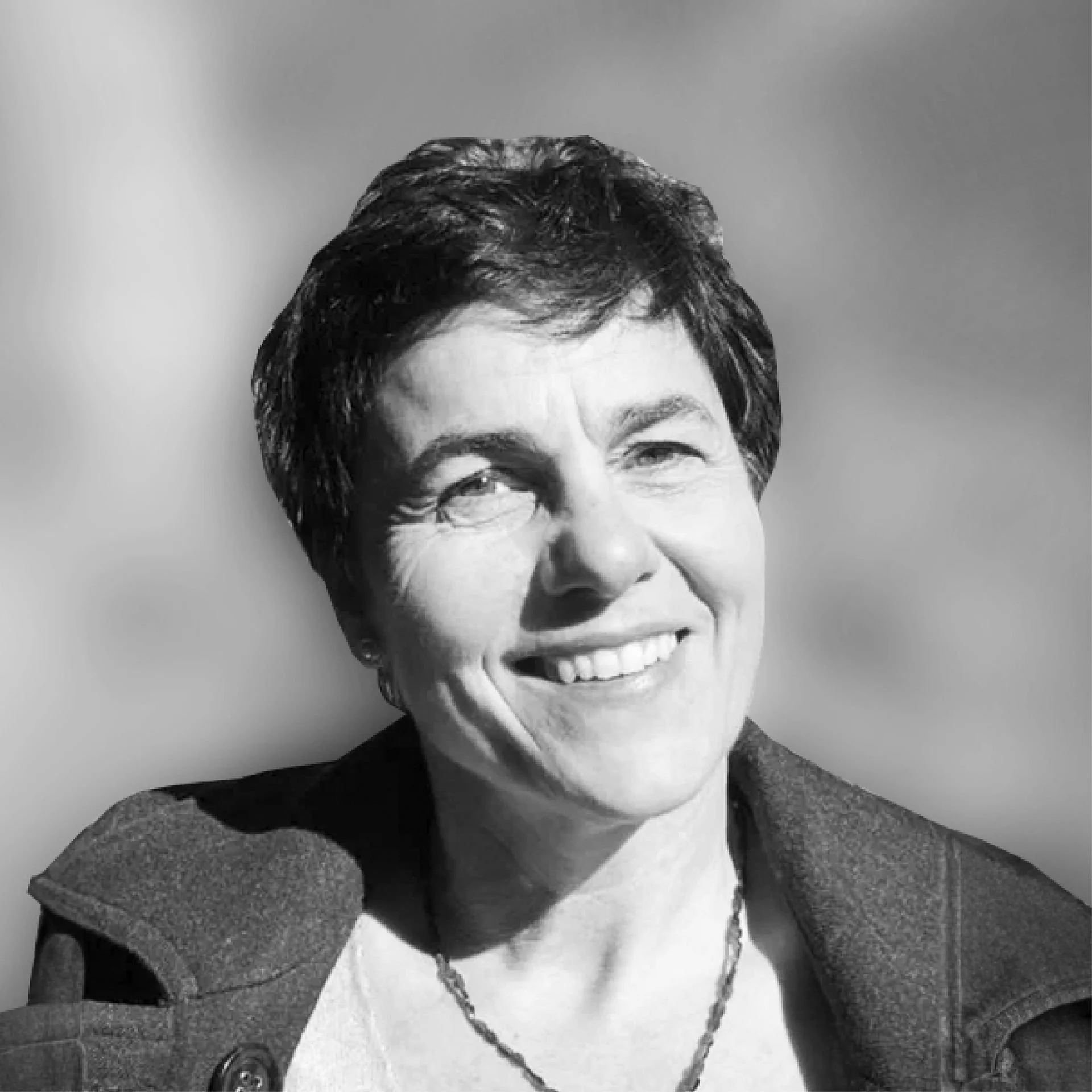
“Fungi are the hidden architects of our ecosystems. They break things down and build them up; they connect and sustain life—especially in places where conditions are extreme. To understand the future of our forests and soils, we must understand fungi.”
This conviction shapes the work of Ursula Peintner—a mycologist and associate professor at the Institute of Microbiology at the Medical University of Innsbruck—who is now regarded as one of the leading international authorities in fungal ecology and alpine mycology. With her discovery of the new fungal genus “Tyroliella” and the new species “Penicillium tirolense” and “Penicillium poederi,” as well as her groundbreaking studies on fungal communities in snow-covered soils, she has elevated alpine mycology to a scientifically sound and ecologically significant level.
She developed her passion for fungi while studying microbiology at the Leopold Franzens University of Innsbruck. Her scientific career at the renowned Institute of Microbiology at the Medical University of Innsbruck built upon this early enthusiasm; she has been conducting research there for decades and has established herself as an international authority. As head of the research division “Fungal Ecology, Ectomycorrhiza, and Biodiversity,” her research spans taxonomy, phylogeny, ethnomycology, and applied mycology. Her extensive soil sampling at elevations between 1,900 and 2,300 meters in the border region between Tyrol and South Tyrol led to the discovery of entirely new fungal species and genera and demonstrated that even in the seemingly inhospitable, snow-covered soils of the Alps, a rich fungal life exists.
In her professional work, she focuses on researching microbial diversity in extreme habitats and the mutualistic relationships among fungi, particularly mycorrhizal symbioses. She collaborates with international research partners from South America to the Arctic to advance understanding of fungal communities, their ecological functions, and their significance for alpine ecosystems. In doing so, she places great emphasis on combining classical taxonomic methods with state-of-the-art molecular techniques and integrating basic research with applied research. “Soil fungi are still largely unexplored, especially in alpine and subalpine regions. But with state-of-the-art molecular techniques, we can now better map this diversity,” explains the mycologist.
A central focus of her work is understanding the key roles of soil fungi in alpine ecosystems. She studies the seasonal dynamics of fungal communities, their interactions with other organisms, and the complex networks of life in which fungi serve as hubs. Her research shows that soil fungi are not only active during the warm season—they continue to function beneath the snowpack and play a crucial role in the nutrient cycle.
Her current research focuses on groundbreaking projects: The “MOFALE” project investigates the functional diversity of the Mortierellaceae family in alpine ecosystems—a key factor in understanding how these ecosystems will respond to climate change. The FWF-funded “MICINSNOW” project investigates microbial interactions beneath the snowpack—a largely unexplored area of great ecological significance. Particularly noteworthy is the international WEAVE project “POSADEC,” which explores the hidden potential of South American fungal species. Her research on bioactive compounds in fungi, particularly photosensitizers with potential applications in cancer therapy and antimicrobial treatment, shows that fungi could be an overlooked source of new photopharmaceuticals.
Her scientific excellence is evident in her role as a member of the editorial boards of renowned scientific journals such as *Fungal Biology* (since 2016) and *Micologia e Vegetazione Mediterranea* (since 2005). As a scientific advisor to the natural history collections of the Tyrolean State Museums for the mycological collection, she underscores her deep connection to regional fungal research and her role as a guardian of Tyrol’s mycological heritage. Her publications in high-impact journals such as “Studies in Mycology,” “Fungal Systematics and Evolution,” and “PLOS One” have significantly influenced international mycological research.
A particularly fascinating aspect of her research is her work in the field of ethnomycology. Her comprehensive study on European edible mushroom consumption, published in PLOS One, highlights the enormous cultural differences in how mushrooms are handled. Her analysis of all European laws and regulations governing the mushroom trade revealed: A total of 282 edible mushroom species are listed on various national lists in Europe, yet only a handful appear on all of them. This research not only highlights cultural differences but also reveals that: “Due to their stimulating effect on the immune system, mushrooms are considered extremely healthy foods, which naturally increases their popularity even in societies that have traditionally been mycophobic.”
She knows how to combine classical taxonomic methods with state-of-the-art molecular techniques and advocates for an integrative understanding of mycology—as an interplay of basic research, applied research, and cultural sensitivity. Her work makes it clear that, for her, fungi are not isolated organisms, but rather nodes in complex networks of life that must always be viewed in the context of their relationships with other organisms. At the Mycoverse Foundation, she contributes her expertise in taxonomy, fungal ecology, bioactive substances, and ethnomycology, helping to sustainably unlock the potential of fungi—and to combine scientific insights with ecological responsibility and cultural awareness.
Mycoverse Foundation
, Marktgass 11,
, 9490 Vaduz,
, Principality of Liechtenstein
Home | Vision | Projekte | Artikel | Vorstand/Beirat | Shop | Kontakt | Impressum/Datenschutz | Manage Cookie Settings