
A groundbreaking opinion piece published in *Fungal Biology and Biotechnology* presents a transformative vision for the future of biotechnology—one that centers Indigenous Knowledge Systems and fungal innovation as crucial tools for addressing global biodiversity loss and climate change.
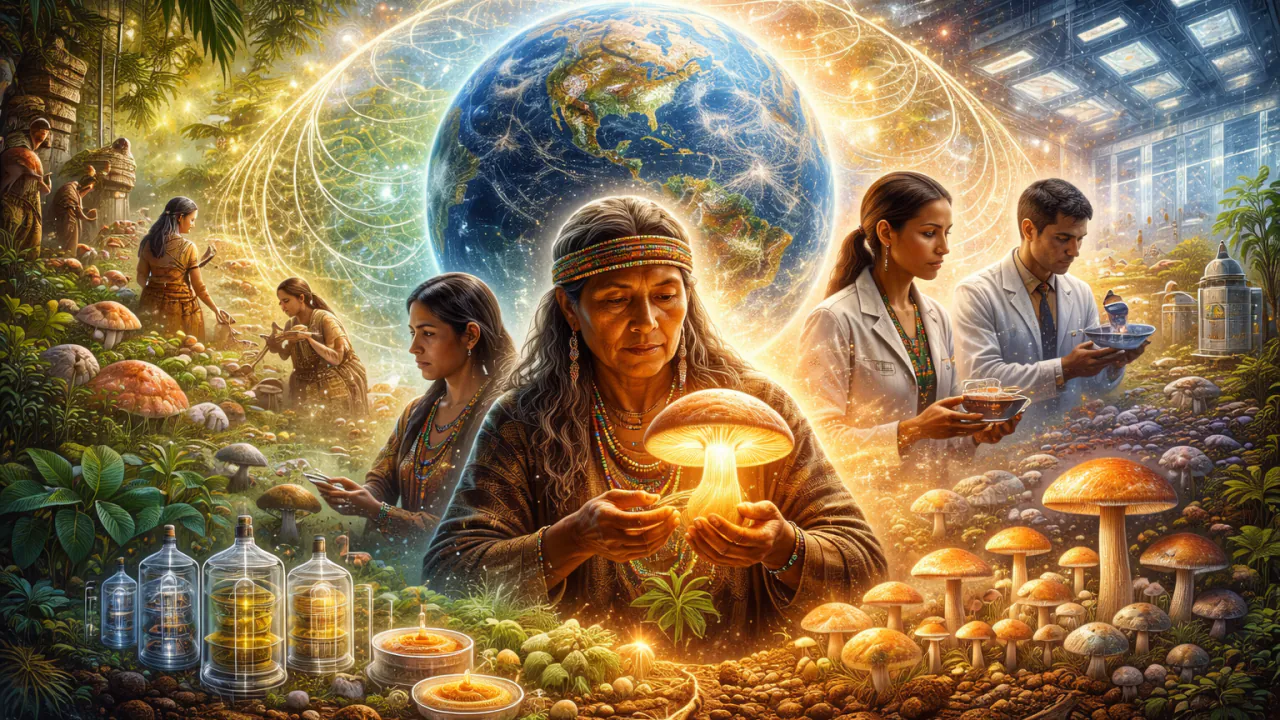
Led by researchers Rolando Perez, WarīNkwī Flores, Maria Astolfi, and colleagues from institutions such as the Indigenous Futures Institute at UC San Diego and the Kinray Hub in Ecuador, the paper introduces the Applied and Conservation Mycology Framework (ACMF). This framework represents far more than a technical advancement; it is a paradigm shift in the way we approach biotechnology development and environmental conservation.
The timing could not be more critical. The global fungal biotechnology market reached a volume of $87 billion in 2021, yet the voices and knowledge systems of Indigenous peoples—who have maintained relationships with fungi for millennia—remain largely excluded from this emerging bioeconomy. This paper argues that correcting this imbalance is not only an ethical imperative; it is essential for achieving true planetary health.
The ACMF aligns the development of fungal biotechnology with the Kunming-Montreal Global Biodiversity Framework (KM-GBF), which was adopted at the 2022 UN Biodiversity Conference. Notably, the authors demonstrate how Indigenous-led fungal biotechnologies could help achieve all 23 goals listed in this framework—from protecting biodiversity to ensuring equitable benefit-sharing.
At the heart of this approach lie two critical concepts: Indigenous Data Sovereignty (IDSov) and Indigenous Data Governance (IDGov). These principles ensure that Indigenous communities retain control over their biological samples, their traditional knowledge, and the digital sequence information derived from them. In an era where biotechnology increasingly relies on digital data, this governance model is crucial for preventing exploitative practices and ensuring equitable benefit-sharing.
The paper focuses specifically on the Kara and Kichwa nations of Ecuador and demonstrates how these indigenous communities can use local fungi and substrates to develop biotechnologies that serve their communities while contributing to global sustainability goals. This is not abstract theorizing—it is about empowering indigenous peoples to become active participants and leaders in the global bioeconomy.
The applications are diverse and effective. Fungal biotechnologies can remediate contamination, produce sustainable materials, improve food security through cultivation on agricultural and forestry residues, and generate medicines—all while preserving traditional knowledge and ensuring that communities benefit directly from innovations originating in their territories.
The researchers do not merely identify problems; they offer concrete recommendations for action. Building on complementary work by Astolfi, Flores, and colleagues published in *Nature Communications*, the paper outlines specific steps that biotechnology practitioners and researchers should take:
These are not merely symbolic gestures—they represent a fundamental restructuring of how biotechnology development operates, moving away from extractive models toward genuine partnerships.
Fungi represent one of the most diverse kingdoms on Earth, with an estimated 2.2 to 3.8 million species, only a fraction of which have been formally described. Their metabolic versatility enables them to thrive in extreme environments, break down complex organic compounds, and form critical symbiotic relationships that sustain entire ecosystems.
Beyond their ecological importance, fungi offer remarkable biotechnological potential. They can convert waste streams into valuable products, create sustainable alternatives to petroleum-based materials, and produce compounds with medicinal properties. Indigenous peoples have long understood these capabilities and developed sophisticated practices for cultivating and utilizing fungi—practices that modern science is only now beginning to appreciate.
This work challenges us to rethink fundamental assumptions about scientific knowledge production and technological development. It demonstrates that promoting planetary health requires not only new technologies, but also new relationships—relationships that honor indigenous rights, respect traditional knowledge, and ensure equitable access to the benefits of innovation.
The paper explicitly links its framework to Ecuador’s Constitution, which recognizes the rights of nature itself, and to the UN Declaration on the Rights of Indigenous Peoples. This legal and ethical foundation ensures that the ACMF is not merely aspirational but can be implemented within existing international frameworks.
For professionals working in the fields of biotechnology, sustainability, or the environment, this paper presents both a challenge and an opportunity. It challenges us to examine our own practices: Are we perpetuating extractive models, or are we building genuine partnerships? Do we recognize and acknowledge the contributions of Indigenous knowledge?
At the same time, it presents enormous opportunities. By embracing indigenous-led innovation and ensuring equitable benefit-sharing, we can develop sustainable solutions that current approaches might never have discovered. The vast untapped potential of the fungal kingdom, combined with millennia of indigenous knowledge, represents an extraordinary resource for addressing our most pressing environmental and social challenges.
As we face accelerating biodiversity loss and climate change, the path forward requires more than just technological solutions—it demands a fundamental reimagining of how we relate to nature and to one another. The Applied and Conservation Mycology Framework shows us what this reimagining might look like in practice.
The question is not whether we can afford to take this approach. It is whether we can afford not to.
Published in Fungal Biology and Biotechnology (2025), DOI: 10.1186/s40694-025-00200-0
Mycoverse Foundation
, Marktgass 11,
, 9490 Vaduz,
, Principality of Liechtenstein
Home | Vision | Projekte | Artikel | Vorstand/Beirat | Shop | Kontakt | Impressum/Datenschutz | Manage Cookie Settings