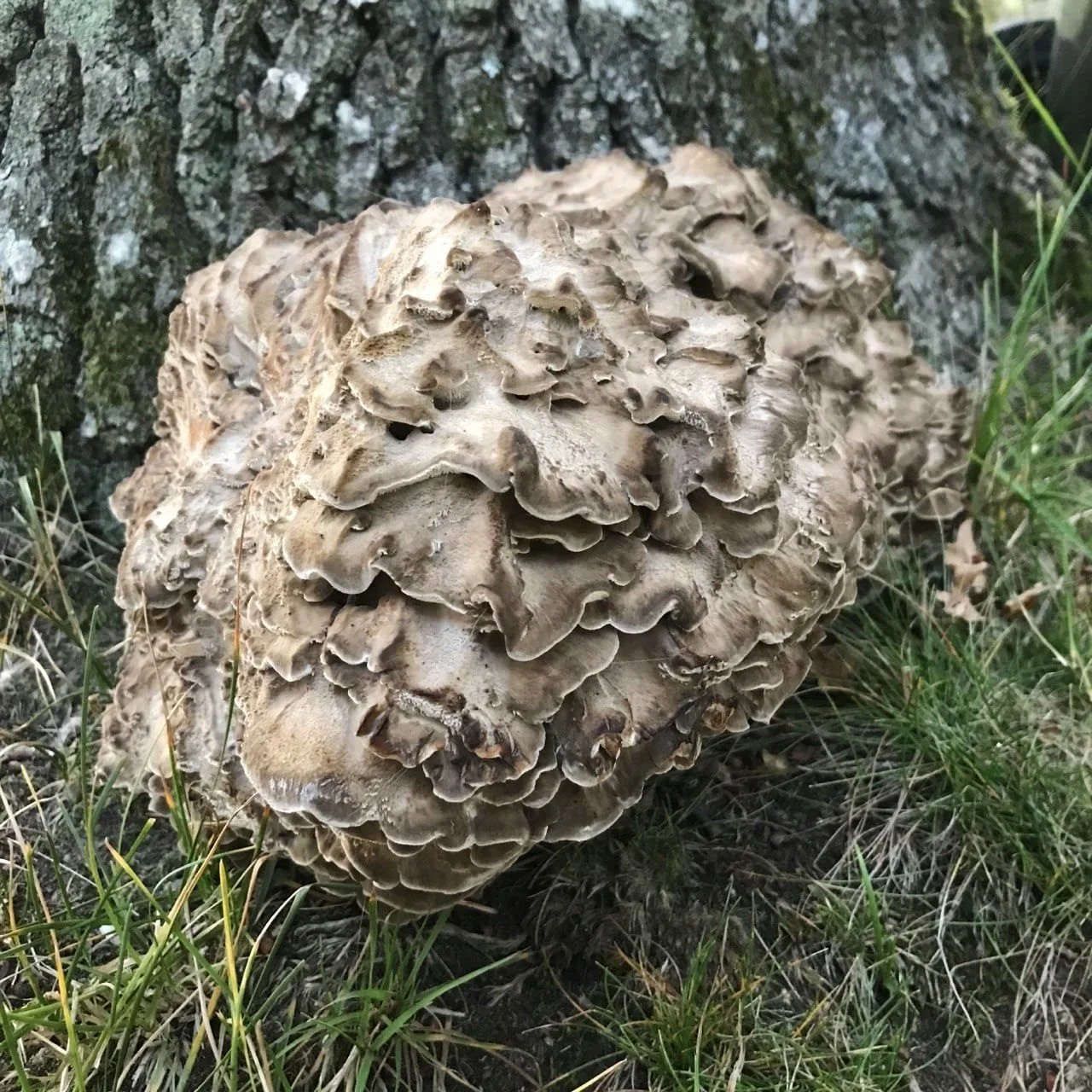
Bioactive ingredients
D-fraction* – The immune stimulator and tumor fighter
(1-3) – a triple-branched β-1,6-glucan containing 10% protein:
Broad spectrum of activity
Immunostimulatory – Stimulation of interleukin-1
Antitumor – Anti-cancer, antiangiogenic, and antimetastatic effects against lung and breast cancer
Therapy-enhancing – Improved efficacy of interferon alfa-2b treatment in prostate cancer chemotherapy and as an antiviral agent for hepatitis B
HIV Care – Managing Symptoms and Complications, Increasing CD4+ Cell Count
MD Caucus – The Stem Cell Activator
Hematopoietic stimulation – stimulation of pluripotent stem cells in the bone marrow to produce red blood cells (for anemia) or white blood cells (for leukopenia)
Direct antitumor effect – In vitro activity against breast adenocarcinoma cells
SX Group – The Blood Sugar Regulator
Antidiabetic effect
Improves glucose tolerance – reduces hyperglycemia
Increases insulin sensitivity – Restores insulin levels
Cardiovascular Effects – Lowering Blood Pressure and Cholesterol
MT-alpha-glucan – The Pancreas Protector
Antidiabetic properties
Protects pancreatic cells – protects insulin-producing cells
Insulin receptor-enhancing – increasing the number of insulin receptors on target cell membranes
Reduces insulin resistance – improves insulin sensitivity
Grifolan – The β-1,6-glucan fighter
Immunostimulatory and antitumor – Highly effective against bladder, prostate, and stomach cancer
GFPS1b – The Antitumor Agent
Antitumor activity – Direct anticancer effect
GFP-22 – The Chemotherapy Adjuvant
Immune protection – Reduction of chemotherapy-induced immunosuppression
o-Orsellinaldehyde – The anti-inflammatory agent
Anti-inflammatory and pro-apoptotic – promoting programmed cell death
Ergosterol and Other Sterols – The Versatile Ones
Osteoporosis Treatment – Ergosterol for Bone Health
Anti-inflammatory – COX inhibition
Hypoallergenic – Allergy relief
Anti-angiogenic – Inhibition of angiogenesis and tumor growth
Nucleotides – The Antivirals
High nucleotide content – Antiviral effect
HPLC Fraction – The Adipose Tissue Inhibitor
Inhibition of adipogenesis – Inhibition of fat tissue formation
Isoflavones – The Hormone Mimics
High isoflavone content – mimics human estrogen hormones
Other bioactive compounds
Phenolic compounds, β-carotene, and lycopene – Antioxidant activity of a methanol-soluble fruit body extract
Fatty acids – palmitic, oleic, and linoleic acids
Nutritional Profile – The Vital Package
Macronutrients:
Moisture content: ~80% (lower than in other mushrooms)
Protein: 27%
Carbohydrates: nearly 50%
β-glucans: 14.5%
Vitamin complex: B1 (thiamine), B2 (riboflavin), B3 (niacin), C, D
Essential minerals: magnesium, iron, calcium, phosphorus
*Please note that all research data on the D fraction also apply to the MD fraction, as both consist of the same β-1,6/1,3-glucan derived from Grifola frondosa.
Therapeutic Applications
Complementary Cancer Treatment – The Tumor Fighter
Specific types of cancer:
Liver, lung, and breast cancer – Promising results from in vitro and in vivo studies
Chemotherapy Support:
Improved Efficacy – Enhancing the Effects of Chemotherapy
Improvement in Immune Status – Strengthening the Immune System During Treatment
Management of side effects – reduction of pain, nausea, vomiting, loss of appetite, hair loss, and leukopenia
Pain relief – Relief of pain in patients with terminal cancer
Clinical successes:
Tumor mass reduction – Significant improvement in cancer-related symptoms in clinical trials
Breast Cancer Prevention – In Vitro Inhibition of Oncogenesis and Metastasis in Human Breast Cancer Cells
Broad-spectrum effect – Antitumor activity against hormone-dependent, hormone-independent, and triple-negative breast cancer subtypes
Combating lung cancer – prevention of oncogenesis and metastasis, reduction in cell viability, increased cell adhesion, reduced migration and invasion
Hepatocellular carcinoma – Confirmed efficacy in in vitro and in vivo mouse studies
Bladder Cancer – Prevention of Disease Recurrence, Antiproliferative and Proapoptotic Effects
Other Types of Cancer – Specific Antitumor Effects on Prostate, Colorectal, Gastric, Leukemia, and Brain Tumor Cells
Radiation-protective effect – Normalization of white blood cell count following radiation therapy
Metabolic Syndrome and Cardiovascular Disease – The Metabolic Regulator
Type 2 diabetes mellitus:
Blood Sugar Regulation – Positive Effects in Animal and Human Studies
Prevention of Complications – Protection against early diabetic complications such as diabetic nephropathy
Weight loss:
Weight loss – Documented weight reduction in animal and human studies following oral administration
Cardiovascular Regulation:
High Blood Pressure and Hyperlipidemia – Regulatory Effects in Animal Studies
Polycystic ovary syndrome (PCOS):
Induction of ovulation – 75% ovulation rate in a small clinical trial in cases where conventional treatment failed
Myelodysplastic Syndrome (MDS) – The Blood-Forming Stimulator
Hematopoietic Regeneration – Phase II Study Shows Stimulation of Hematopoietic Progenitor Cells, Granulocyte Colony-Stimulating Factor, and Recovery of Peripheral Blood Leukocytes Following Bone Marrow Injury
Immune Stimulation – The Immune Activator
Viral infections:
- HIV – Potential Benefits of MD Fractions in In Vivo and Human Studies
- Hepatitis B – Particularly effective when combined with interferon treatment
- Influenza – In vivo Efficacy
- Enterovirus 71 – Antiviral Activity
Bacterial infections:
- Helicobacter pylori – Bacteriostatic and bactericidal effects
- Staphylococcus aureus – Inhibition of biofilm formation
- Bacillus subtilis and Escherichia coli – Antibacterial Activity
Osteoporosis – The Bone Strengthener
- Promotion of Osteogenesis – Effective Enhancement of Bone Formation In Vitro and In Vivo in Ovariectomized Mice
Neuroprotection – The Nerve Protector
- Alzheimer's and Parkinson's – Preventing the Death of Nerve Cells
Prebiotic effect – The gut flora regulator
- Microbiota Regulation – Regulation of the Gut Flora
- Promoting Nutrient Absorption – Potential Improvements in Micronutrient Absorption in the Intestine
Inflammatory Bowel Disease (IBD) – The Gut Healer
- Reduction of Colonic Ulcers – Antioxidant and Anti-inflammatory Mechanisms in Laboratory Rats
Allergies – The Allergy Relief
- Type 1 allergies – Reduction of allergies and IgE levels in vivo
- Pollen and Asthma – In Combination with A. blazei Murril and H. erinaceus: Reduction of General Allergy Symptoms
Traditional Uses – Knowledge Dating Back Thousands of Years
Organ support:
- Diuretic – Diuretic effect
- Antipyretic – Fever-reducing
- Stomach and spleen function – Aiding digestion
Treatment of infections:
- Gonorrhea – Treatment of bacterial infections
- Hemorrhoids – Local Treatment
Calming the nervous system:
- Mind and Nervous System – Calming Effect
- Neuralgia and Paralysis – Neurological Care
Musculoskeletal system:
- Different Types of Arthritis – Joint Support
Safety considerations
Multiple Sclerosis – Special Precautions
Increased interferon levels – Isolated reports suggest that G. frondosa increases interferon production (including gamma interferon), which may promote the destruction of nerve tissue and exacerbate neuromuscular disorders such as multiple sclerosis
Occupational exposure
Hypersensitivity Pneumonitis – Case Report on Occupational Hypersensitivity Pneumonitis Caused by G. frondosa Spores Following Work at a Mushroom Farm.
References
- Rebensburg, P., & Kappl, A. Healthy with Medicinal Mushrooms: Strengthening the Immune System, Healing Illnesses, and Relieving Symptoms. Munich: riva; 2020. 271 p.
- Guthmann, J. Healing Mushrooms: The World’s Most Important Species: Description – Components – Effects. 2nd, updated and expanded edition. Wiebelsheim: Quelle & Meyer Verlag; 2021. 446 p.
- Rogers, RD. The Mushroom Pharmacy: The Complete Guide to Medicinal Mushrooms and Lichens of North America. Berkeley, California: North Atlantic Books; 2011. 591 pp.
- He Y, Zhang L, Wang H. The biological activities of the antitumor agent Grifola frondosa polysaccharide. Prog Mol Biol Transl Sci. 2019;163:221–61.
- Alonso EN, Ferronato MJ, Fermento ME, et al. Antitumor and antimetastatic activity of the Maitake D fraction in triple-negative breast cancer cells. Oncotarget. May 4, 2018;9(34):23396–412.
- Dr. Walter Ardigò. Healing with Medicinal Mushrooms. A Practical Handbook. Youcanprint; 2017. 394 pp.
- Rossi P, Difrancia R, Quagliariello V, et al. B-glucans from Grifola frondosa and Ganoderma lucidum in breast cancer: an example of complementary and integrative medicine. Oncotarget. May 15, 2018;9(37):24837–56.
- Haertel B, Rimböck M, Neuerer T. Medicinal Mushrooms: Modulating, Regenerating, Strengthening. Salzburg: Druckerei Roser GmbH; 2019.
- Badalyan SM, Barkhudaryan A, Rapior S. Recent advances in research on the pharmacological potential of mushrooms and prospects for their clinical application. In: Agrawal DC, Dhanasekaran M, eds. Medicinal Mushrooms [Internet]. Singapore: Springer Singapore; 2019 [cited 2021 Dec 27]. pp. 1–70. Available at: http://link.springer.com/10.1007/978-981-13-6382-5_1
- Stamets, P. Growing Gourmet and Medicinal Mushrooms. 3rd ed. Berkeley, California: Ten Speed Press; 2000. 574 pp.
- Kawai J, Mori K, Hirasawa N. Grifola frondosa extract and ergosterol reduce allergic reactions in a mouse allergy model by inhibiting mast cell degranulation. Bioscience, Biotechnology, and Biochemistry. December 2, 2019; 83(12):2280–7.
- Mayell M. Maitake extracts and their therapeutic potential. Altern Med Rev. February 2001; 6(1):48–60.
- Martin Powell. Medicinal Mushrooms. [Internet]. Place of publication not identified: Mycology Press; [cited December 27, 2021]. Available at: https://www.hoopladigital.com/title/11571096
- Bianchi I, Marrocchesi R. Healing with Medicinal Mushrooms: Therapeutic Properties and Instructions for Use of the 12 Most Important Medicinal Mushrooms. Treviso: Editoriale Programma; 2015.
- Nowakowski P, Markiewicz-Żukowska R, Bielecka J, et al. Treasures from the Forest: Evaluation of Mushroom Extracts as Anti-Cancer Agents. Biomed Pharmacother. November 2021;143:112106.
- Wong JH, Ng TB, Chan HHL, et al. Fungal extracts and compounds with inhibitory effects on breast cancer: Findings from studies using cultured cancer cells, tumor-bearing animals, and clinical trials. Appl Microbiol Biotechnol. June 2020; 104(11):4675–703.
- Rajamahanty S, Louie B, O’Neill C, et al. Possible remission of the disease in patients with invasive bladder cancer undergoing D-fraction therapy. Int J Gen Med. July 30, 2009;2:15–7.
- Stajić M, Vukojević J, Ćilerdžić J. Mushrooms as potential natural cytostatic agents. In: Agrawal DC, Dhanasekaran M, eds. Medicinal Mushrooms [Internet]. Singapore: Springer Singapore; 2019 [cited 2021 Dec 27]. pp. 143–68. Available from: http://link.springer.com/10.1007/978-981-13-6382-5_4
- Roca-Lema D, Martinez-Iglesias O, Fernández de Ana Portela C, et al. In vitro effects of polysaccharide-rich extracts from Trametes versicolor and Grifola frondosa on the proliferation and invasion of colorectal cancer cells. Int J Med Sci. 2019;16(2):231–40.
- Kou L, Du M, Liu P, et al. Antidiabetic and antinephrotic effects of Grifola frondosa mycelium polysaccharides in streptozotocin-induced diabetic rats via modulation of oxidative stress. Appl Biochem Biotechnol. January 2019;187(1):310–22.
- Jiang T, Wang L, Ma A, et al. The hypoglycemic and nephroprotective effects of Grifola frondosa polysaccharides in early diabetic nephropathy. J Food Biochem. Dec. 2020;44(12)
- Jiang X, Hao J, Liu Z, et al. Anti-obesity effects of Grifola frondosa through modulation of lipid metabolism via ceramide in mice fed a high-fat diet. Food Funct. August 2, 2021; 12(15):6725–39.
- Wesa KM, Cunningham-Rundles S, Klimek VM, et al. Maitake mushroom extract in myelodysplastic syndromes (MDS): a phase II study. Cancer Immunology and Immunotherapy. February 2015; 64(2):237–47.
- Nanba H, Kodama N, Schar D, et al. Effects of maitake (Grifola frondosa) glucan in HIV-infected patients. Mycoscience. August 2000; 41(4):293–5.
- Pradeep P, Manju V, Ahsan MF. Antiviral efficacy of fungal components. In: Agrawal DC, Dhanasekaran M, eds. Medicinal Mushrooms [Internet]. Singapore: Springer Singapore; 2019 [cited 2021 Dec 27]. pp. 275–97. Available from: http://link.springer.com/10.1007/978-981-13-6382-5_10
- Fasciana T, Gargano ML, Serra N, et al. Potential efficacy of Albino Grifola frondosa mushroom extract against biofilms of methicillin-resistant Staphylococcus aureus. JoF. July 10, 2021; 7(7):551.
- Saif A, Lindequist U, Wende K. Stimulating effect of Grifola frondosa (maitake) on human osteoblast cell cultures. J Nat Med. June 7, 2007; 61(3):231–8.
- Erjavec I, Brkljacic J, Vukicevic S, et al. Mushroom extracts reduce bone resorption and enhance bone formation. Int J Med Mushrooms. 2016; 18(7):559–69.
- Patel DK, Seo Y-R, Dutta SD, et al. Effect of maitake (Grifola frondosa) particle size on human mesenchymal stem cells and in vivo evaluation of its therapeutic potential. BioMed Research International. March 7, 2020; 2020:1–13.
- Tanaka T, Onuma H, Shigihara T, et al. Anti-osteoporotic effects of syringic acid and vanillic acid in extracts from mushroom cultivation waste beds. J Biosci Bioeng. November 2019; 128(5):622–9.
- Lee W, Fujihashi A, Govindarajulu M, et al. The role of fungi in neurodegenerative diseases. In: Agrawal DC, Dhanasekaran M, eds. Medicinal Mushrooms [Internet]. Singapore: Springer Singapore; 2019 [cited 2021 Dec 27]. pp. 223–49. Available from: http://link.springer.com/10.1007/978-981-13-6382-5_8
- Hetland G, Tangen J-M, Mahmood F, et al. Antitumor, anti-inflammatory, and antiallergic effects of Agaricus blazei mushroom extract and the related medicinal basidiomycete mushrooms Hericium erinaceus and Grifola frondosa: A review of preclinical and clinical studies. Nutrients. May 8, 2020;12(5):1339.